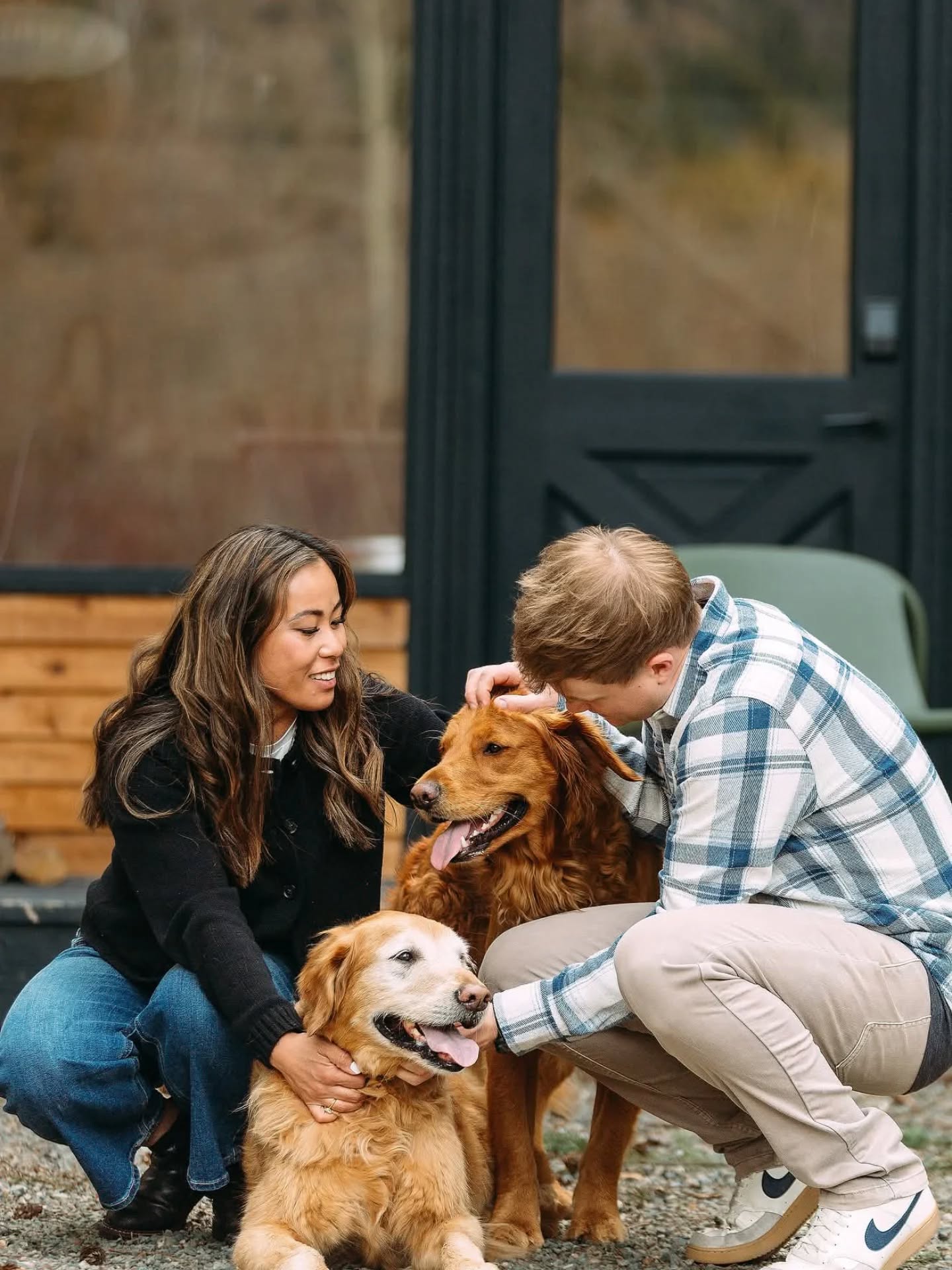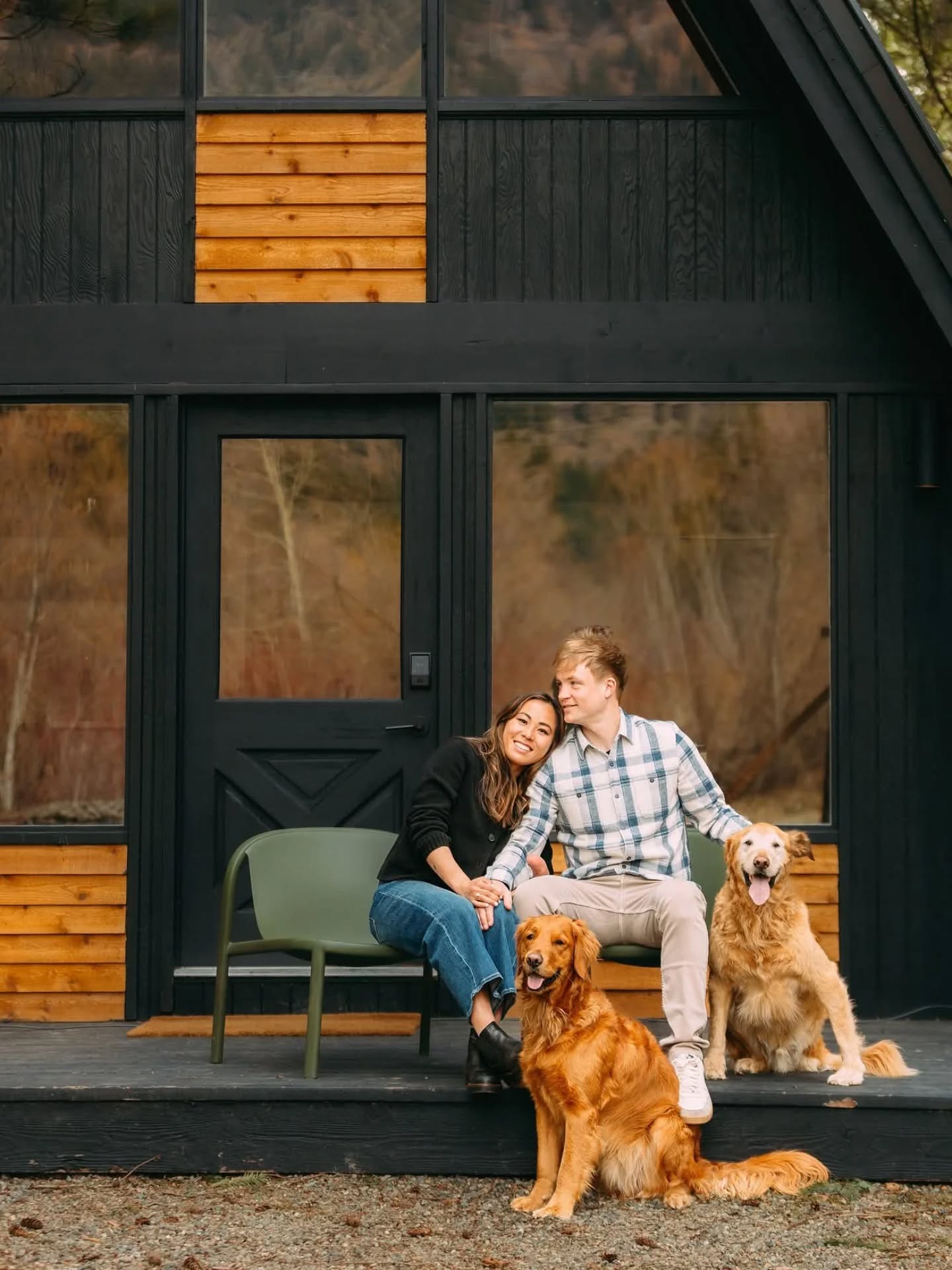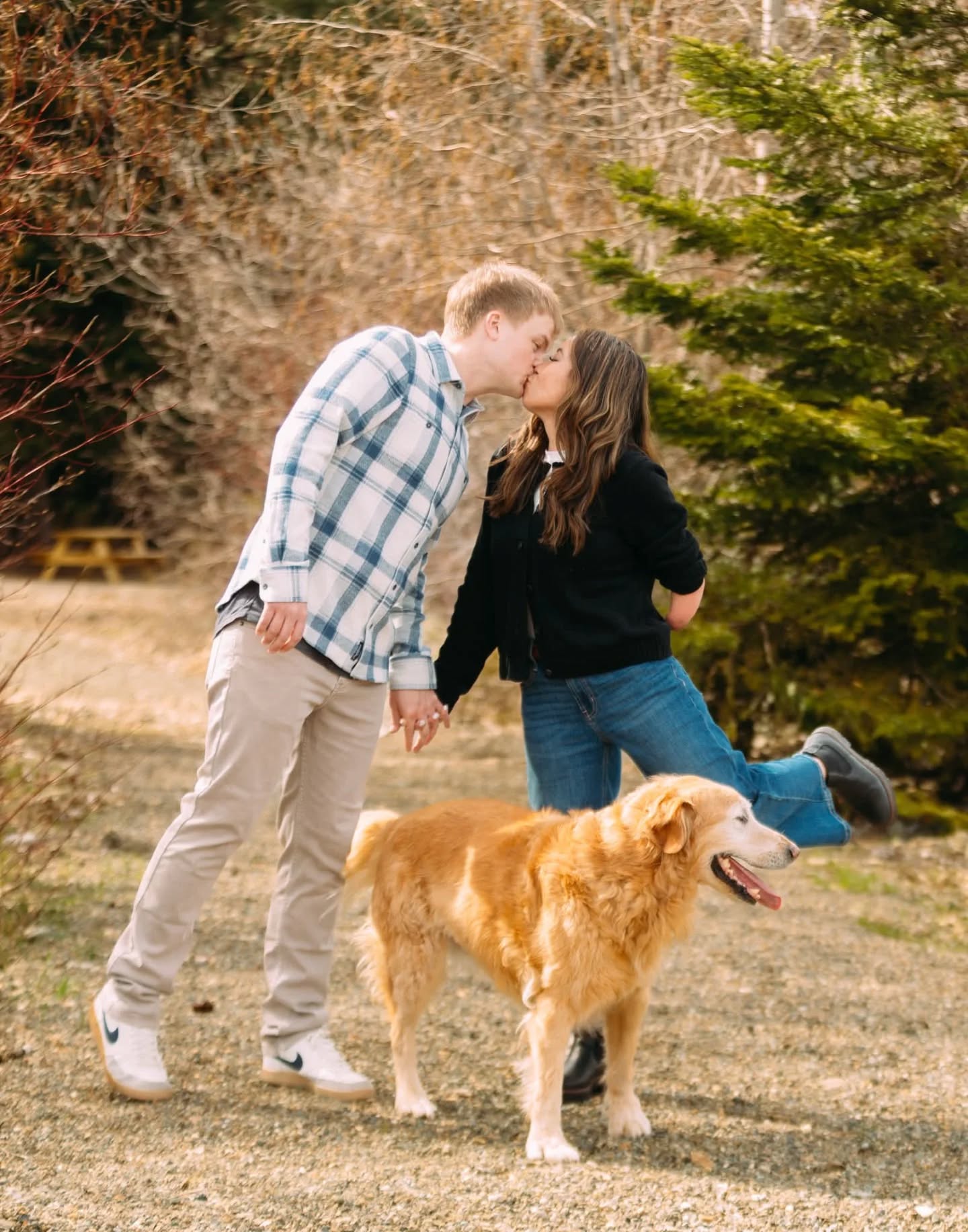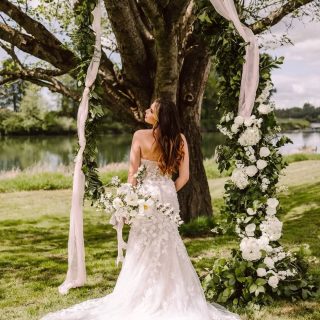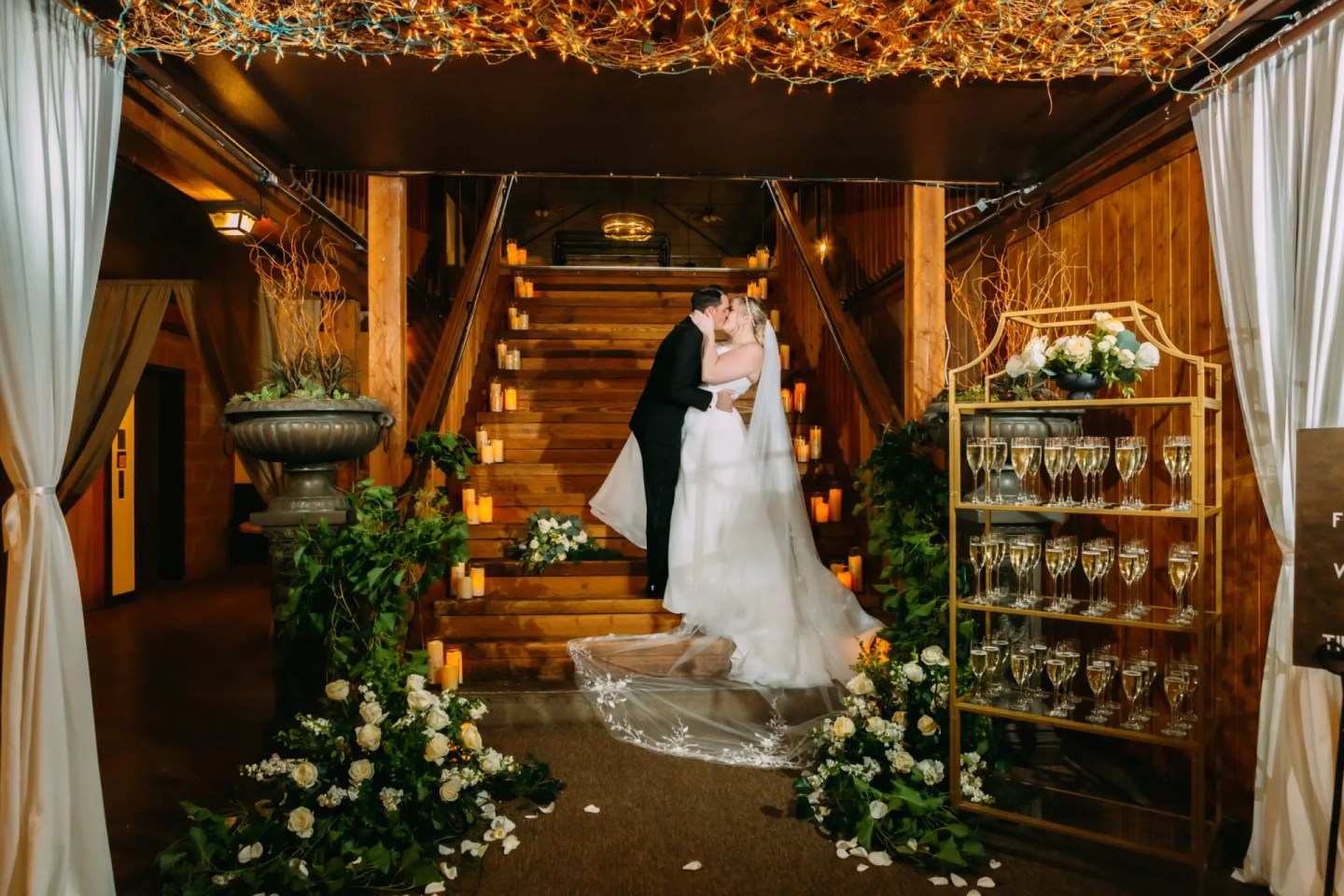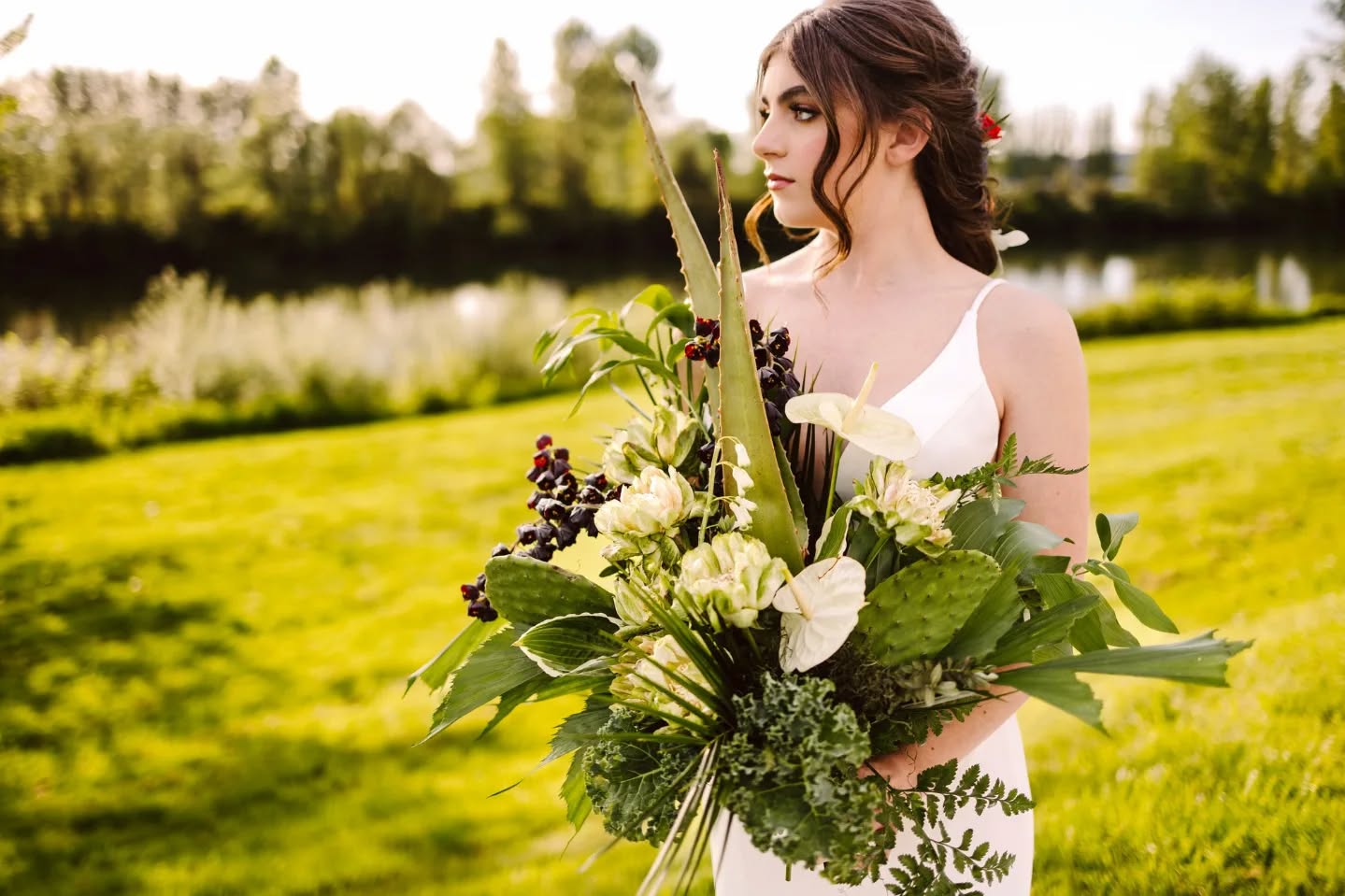
Backyard weddings have a reputation for being “simple.” And sure, the concept is simple — get married in a yard you already have access to. But the execution? That’s where things get interesting. After photographing over 640 weddings across Snohomish County and the greater Seattle area over the past 15+ years, we’ve seen backyard weddings that were seamless, gorgeous celebrations — and we’ve seen ones where the couple didn’t realize until two weeks out that they needed a permit for the tent, couldn’t find enough parking, and had no plan for when Aunt Susan needed a bathroom at 9 PM.
This guide is for the couple who wants to do the backyard wedding right. Not the Instagram version where everything magically falls into place. The actual, real-world, Snohomish County version — complete with permits, noise ordinances, septic limitations, and the very real possibility of a neighbor complaint if your DJ is still going at 10:30 PM on a Saturday night.
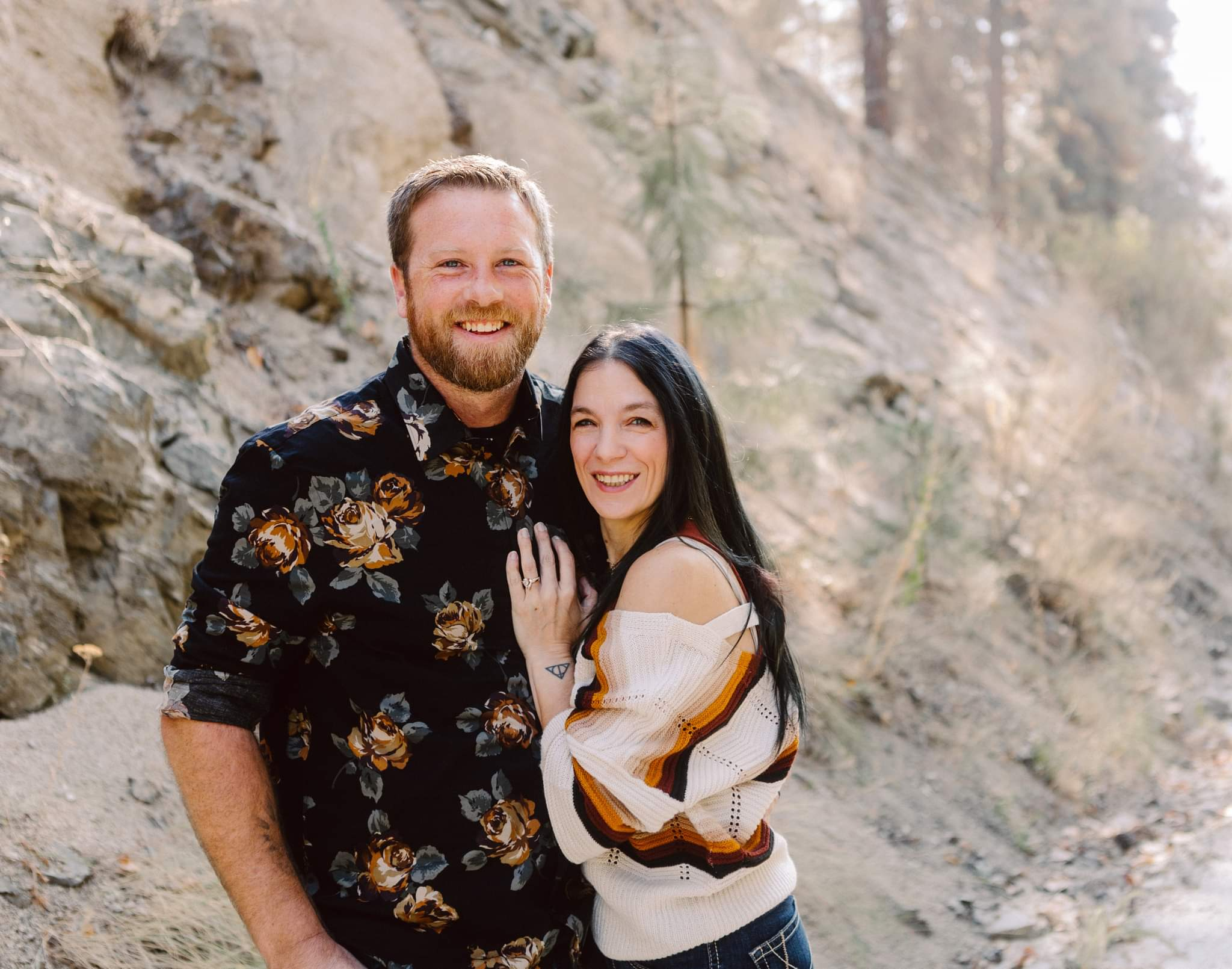
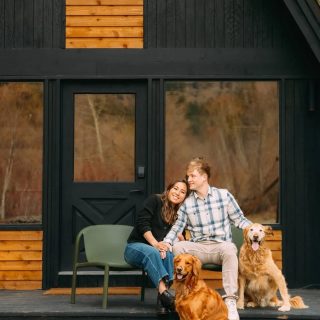
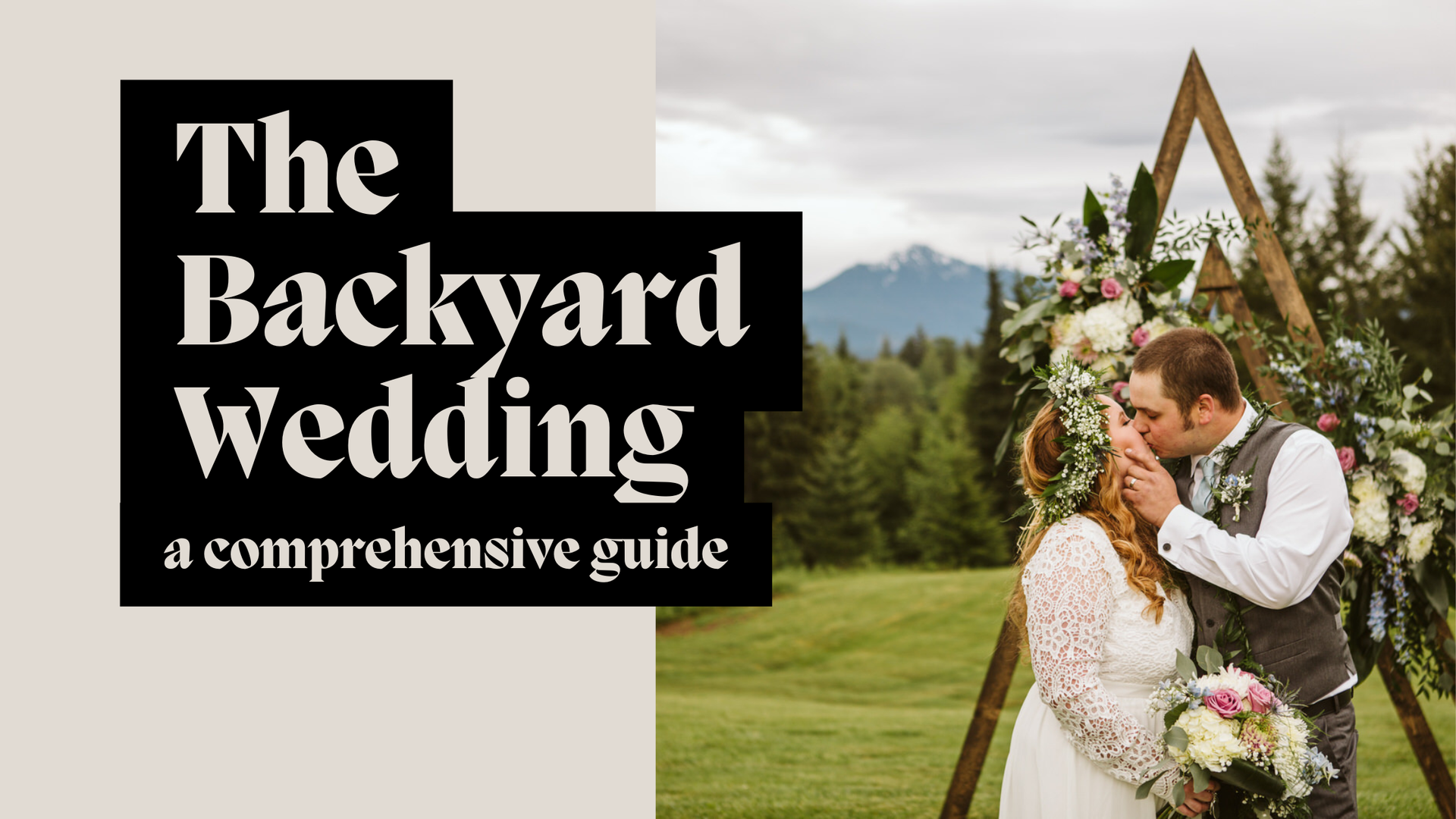
And we’re coming at this as close to the subject as you can imagine – we had a backyard wedding in Josh’s dad’s yard.


Step One: Can You Actually Host a Wedding in Your Backyard?
Before you fall in love with the idea, you need to answer some foundational questions. These aren’t fun, but they’re necessary.
Check your zoning. If you’re in unincorporated Snohomish County, wedding facilities are permitted on properties zoned R-5, RRT-10, and A-10, according to Snohomish County Planning and Development Services. However, a personal, one-time backyard wedding on residential property is different from operating a wedding facility. If this is your own home and it’s a one-time private event, you’re generally in the clear, but it’s worth a quick call to Snohomish County Planning and Development Services at 425-388-3311 to confirm there are no specific restrictions on your property.
Check your HOA. If your property is in a homeowners association, review the CC&Rs carefully. Some HOAs restrict the size of gatherings, prohibit tents, regulate parking, or require advance notification. We’ve seen couples discover these restrictions way too late. Do this research early.
Evaluate your actual physical space. Walk your property with a tape measure and a critical eye. How many guests can your yard comfortably hold with tables, chairs, a ceremony area, a dance floor, a food service area, and space for people to move around? A good rule of thumb is about 10-12 square feet per guest for a reception with tables, more if you want a dance floor. So a 100-guest reception with a dance floor needs roughly 1,500-2,000 square feet of usable outdoor space. That’s a lot of yard. Don’t forget that you’ll ALSO need a parking plan for all these people.
Assess your access and terrain. Can a catering van get to your property? What about a tent installation truck? Is the ground level enough for tables and chairs, or will you need flooring? Are there slopes, ditches, or drainage issues that could become a problem in wet weather? If you’re on a rural Snohomish County property with a gravel driveway, is that driveway sturdy enough for heavy vehicle traffic over a setup weekend? Could emergency services access your property and safely be able to leave without needing people to move vehicles?
The Permit Situation: What You Actually Need
This is the section everyone skips and then regrets. Here’s what you need to know for Snohomish County:
Marriage license. You’ll need one from Snohomish County Recording. The fee is $170, both parties must appear in person at the Customer Service Center in Everett (3000 Rockefeller Avenue), and the license is valid for 60 days from the date of issuance with a 3-day waiting period before you can use it. You can start the process by completing the online application, then coming in to sign and pay. No appointment needed. Both parties need to be present unless one has already signed in front of a notary.
Banquet permit for alcohol. Here’s where it gets nuanced. If you’re hosting a private, invitation-only event at your own home and guests are not being charged for admission, food, or anything else — and the alcohol is free or brought by guests — you generally don’t need a banquet permit from the Washington State Liquor and Cannabis Board. However, if you’re charging guests anything (even a suggested donation, a ticket price, or a “package deal”), or if the event is hosted by an organization rather than an individual, you need a banquet permit. The cost is $25 per day through the WSLCB online portal. When in doubt, get the permit — it’s cheap insurance. Liquor enforcement officers do visit events, and you want to be compliant.
Tent permit. If you’re putting up a tent over a certain size — generally anything larger than 400 square feet — you may need a permit from the Snohomish County Fire Marshal’s Office (425-388-3557). Tents must comply with fire code, which includes requirements for flame-retardant fabric, clearance from structures, exit pathways, and sometimes fire extinguisher placement. Your tent rental company should be familiar with these requirements, but it’s your responsibility to confirm.
Noise compliance. Snohomish County has a noise ordinance under Chapter 10.01 of the county code. For residential areas, amplified sound (including your DJ or band) that can be heard 75 feet or more from the source can constitute a public disturbance noise, particularly at night. If you’re within the City of Snohomish limits, construction and amplified noise is restricted outside 7 AM to 9 PM on weekdays and 9 AM to 9 PM on weekends and holidays. If you’re in unincorporated Snohomish County, the standards are set by the county noise ordinance with reduced decibel limits in rural and residential districts. The practical takeaway: plan to end amplified music by 10 PM at the latest, and ideally by 9 PM if your neighbors are close. Talk to your neighbors in advance. A friendly heads-up goes a long way.
Health department considerations. If you’re having food catered, your caterer needs their own permits and health department compliance. If you’re doing self-catered food, be aware of food safety requirements — particularly temperature control for anything being served buffet-style outdoors in warm weather. The Snohomish Health District can provide guidance. If you’re doing a large event (think 100+ guests), they may have additional requirements around water supply and sanitation.
The Real Cost Breakdown: What a Snohomish County Backyard Wedding Actually Costs
The national average wedding cost in 2026 is around $34,000-$56,000 according to both The Knot and Zola. Backyard weddings can absolutely come in under that, but the savings aren’t as dramatic as people expect — because you’re essentially building a venue from scratch. You’re not paying a venue rental fee, but you’re paying for everything a venue normally provides.
Here’s a realistic cost breakdown for a 100-guest backyard wedding in Snohomish County. These are ranges based on what we’ve seen in our local market:
Tent rental: $2,000-$12,000. A basic 40×60 pole tent runs around $2,000-$6,000. Add sidewalls, lighting, a liner, and flooring and you’re looking at $5,000-$12,000+. Clear-top tents are gorgeous but cost more. If you’re getting married between May and September, you might be able to skip the tent — but see our rain plan guide for why we recommend having at least a backup option.
Table and chair rental: $800-$2,500. Basic folding chairs run $4-7 each, nicer cross-back or chiavari chairs are $8-20 each. Round tables for a 100-person reception need about 12-15 tables at $15-30 each. Add linens, napkins, and place settings, and you’re in the $2,500-$6,500 range for a complete rental package.
Portable restroom rental: $200-$1,500. A basic portable toilet runs about $75-150 per unit. For a wedding, you want at least 2 units for 100 guests (think 1 toilet per 50 people), but upgrade options exist: restroom trailers with flushing toilets, sinks, and air conditioning run $800-$1,500 for a day. If you have a home with two bathrooms that can handle the traffic, you might be able to get away with one supplemental unit.
Catering: $3,000-$15,000+. This is your biggest variable. Food trucks average $15-35 per person. A casual buffet runs $20-60 per person. A plated dinner with service staff is $80-150 per person. For 100 guests, you’re looking at $2,000 on the extreme low end (DIY taco bar) to $25,000+ for full-service catering with staff. In the greater Seattle area, plan toward the higher end of these ranges — our market runs above national averages.
Bar and beverages: $2,000-$7,000. Beer and wine only runs about $15-35 per person. A full bar with spirits is $20-60 per person. Don’t forget to budget for a bartender ($300-500 for the evening) and glassware rental if your caterer doesn’t include it.
Power and lighting: $1500-$6,000. Most residential properties don’t have enough outdoor power for a DJ, lighting, catering equipment, and a tent’s lighting simultaneously. A generator rental runs $300-800 for the day. String lights are $200-500 to rent, or you can buy them for about the same price and keep them after. Professional lighting design runs $2,000-$12,000+.
Photography: $3,000-$8,000+. This is not the place to cut corners. A backyard wedding has no built-in aesthetic — your photographer is working with whatever your yard provides, and a skilled photographer will know how to find the best light, angles, and compositions in a residential setting. We cover this in detail on our site, but expect to invest in experienced professionals who know how to work in non-venue settings.
DJ or music: $2,000-$5,000. A professional wedding DJ in the Snohomish County area runs $2,000-$4,500. A live musician or small band starts around $2,500 and goes up from there. DIY Spotify playlists are free but come with real limitations — no announcements, no crowd reading, and Bluetooth speakers often can’t fill an outdoor space adequately.
Florist and decor: $4,000-$25,000+. Bouquets, boutonnieres, centerpieces, and ceremony arch flowers typically run $4,500-$14,000 from a professional florist in our area. DIY is an option but be honest with yourself about your time, skills, and stress capacity during wedding week.
Officiant: $200-$800. Washington State allows anyone who meets the criteria described in state law to officiate a wedding — that includes ordained ministers, judges, and people ordained online. If you’re hiring a professional officiant, expect $300-$800 in the Seattle metro area.
Miscellaneous: $2,000-$6,000. This is the category everyone underestimates. It includes things like yard prep (mowing, landscaping, maybe leveling an area), a parking plan, signage, a trash and recycling plan, wedding favors, a guest book, tips for vendors, and all the little things that add up fast.
Total realistic range for a 100-guest backyard wedding in Snohomish County: $20,000-$65,000+. On the lower end, you’re doing a lot of DIY, using existing furniture, keeping food casual, and having a smaller guest count. On the higher end, you’re essentially creating a bespoke pop-up venue with full service catering, professional rentals, and all the production elements of a venue wedding — minus the venue fee.
The Logistics Nobody Talks About
Parking. This is the number one logistical issue with backyard weddings in Snohomish County, especially on rural properties. Where are 60-100 cars going? On the street? Your neighbors will not be thrilled. In a field? It better not rain, or you’ll be pulling cars out with a tractor. The best options are renting a nearby lot and running a shuttle, arranging ride-shares, or identifying enough safe, legal parking within walking distance. Budget $500-$1,500 if you need a shuttle service.
Septic and plumbing. If your property is on septic (common in unincorporated Snohomish County), do not underestimate the load that 100+ guests will put on your system. A septic system designed for a 3-bedroom house is not designed for 100 people in an afternoon. Rent supplemental portable restrooms even if your house has multiple bathrooms. A septic backup on your wedding day is the definition of a bad time.
Power capacity. Your home’s electrical panel may not support the combined load of catering equipment, DJ gear, lighting, and climate control. A generator is almost always necessary for backyard weddings over 50 guests. Have an electrician evaluate your setup, or simply plan on a generator from the start.
Setup and teardown timeline. A backyard wedding doesn’t just happen the day-of. Tent companies typically need 1-2 days for installation. Rental deliveries happen the day before. Caterers may need access the morning of. Your yard will be a construction zone for 2-3 days before the wedding, and teardown takes another 1-2 days after. Plan your week accordingly and make sure someone other than the couple is managing the logistics.
Trash and waste. One hundred guests produce a surprising amount of garbage. Rent a dumpster or arrange for a waste hauling service. You do not want to spend the day after your wedding loading garbage bags into your car and driving to the transfer station. Plan for recycling too — your environmentally-conscious guests will look for it.
Neighbor relations. We cannot stress this enough. Talk to your neighbors well in advance. Give them a timeline, let them know when music will start and end, provide a phone number they can call if there’s an issue, and — here’s a pro tip — invite them, or at minimum bring them a bottle of wine and a heartfelt note. A neighbor who feels respected is infinitely less likely to call in a noise complaint than one who wakes up to 100 cars parked on their street with no warning.
Weather: It Deserves Its Own Section (Again)
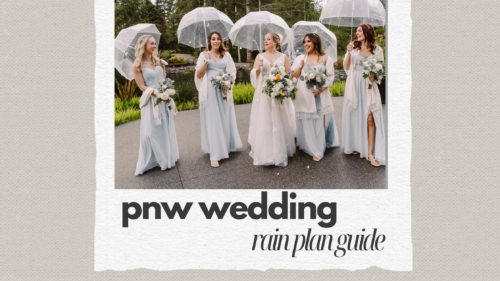
We wrote an entire guide on PNW wedding rain plans, and everything in it applies doubly to backyard weddings. Why? Because a venue has built-in infrastructure for weather. Your backyard does not.
If you’re planning a backyard wedding in any month other than July or August, a rain plan is mandatory. And even in July and August, you should have at least a loose plan for sudden weather changes. Your rain plan for a backyard wedding needs to address: where does the ceremony go if it rains (under the tent? Inside the house? Into a rented marquee?), how do you protect food service from rain, what happens to the dance floor, and how do you keep guests comfortable?
Also consider heat. Late July and August in the greater Seattle area can hit the high 80s and occasionally the 90s. If your yard doesn’t have shade, you need it — either through a tent, shade sails, or strategically placed umbrellas. Dehydrated guests and wilting flowers are not the vibe you’re going for. Have water stations, consider fans in enclosed tent areas, and plan your timeline so that guests aren’t standing in direct afternoon sun during the ceremony.
Wind is the other weather factor people forget. An open yard with no tree cover or structure is basically a wind tunnel for tent sidewalls, lightweight decor, and anything printed on paper. Secure everything. Use weighted bases for signs. Clip tablecloths. Your florist should use stable vessels, not tall skinny vases that topple in a breeze.
Photography Considerations Specific to Backyard Weddings
As photographers, we approach backyard weddings differently than venue weddings, and here’s what you should know.
Background and sightlines matter. When we walk a venue, the aesthetic is usually already there. At a backyard wedding, we’re working with whatever is in the yard — and that includes the garden shed, the trampoline, the recycling bins, and the neighbor’s chain-link fence. Before the wedding, do a walkthrough with your photographer. Identify the best areas for ceremony backdrop, portraits, and candid coverage. Move or hide anything that doesn’t match your vision.
Lighting is different in a residential setting. Backyards often have a mix of full sun, partial shade, and deep shadow depending on trees and structures. Your photographer should evaluate the light at the same time of day as your planned ceremony and portraits. Golden hour in Snohomish County during peak wedding season (June-September) ranges from about 7:30 PM to 9:00 PM depending on the date — and it can be spectacular in an open yard with a western view.
Give your photographer a “must-see” tour. Show them where the getting-ready rooms are, the path from the house to the ceremony, where cocktail hour will be, and any meaningful spots on the property. The more we know about the space, the better we can plan our coverage and find the moments that make your backyard wedding uniquely yours.
Plan for a first look or early portraits. Backyard weddings have tight timelines because everything is in one location. Doing a first look before the ceremony gives us dedicated portrait time without pulling you away from your guests during cocktail hour or reception.
A Vendor Checklist for Snohomish County Backyard Weddings
Here’s every vendor and service you should consider booking, roughly in order of priority:
Photographer. Book early — experienced PNW wedding photographers book out 12-18 months for peak season. Day-of coordinator or wedding planner. For a backyard wedding, this is arguably more important than at a venue, because there’s no venue staff to manage logistics. Caterer. Get quotes from at least three caterers and confirm they have their Snohomish County health permits. Tent rental company. Book 6+ months out for peak season. Table, chair, and linen rentals. Often bundled with tent rental, but not always. DJ or musician. Florist. Officiant. Bartender and bar service. Portable restroom rental. Generator rental. Parking plan and/or shuttle service. Cleaning and waste removal.
One more critical note: insurance. Many homeowner’s insurance policies have liability exclusions for large events on your property. If a guest trips on uneven ground or has too much to drink, your standard policy may not cover it. Look into event liability insurance — one-day policies typically run $100-$300 and cover $1-2 million in general liability. It’s a no-brainer for the peace of mind.
Is a Backyard Wedding Right for You?
After all of this, you might be wondering if a backyard wedding is actually easier or cheaper than just booking a venue. Here’s our honest take after more than 640 weddings: a backyard wedding is a fantastic option if you have the right property, the right support system, and realistic expectations about the work involved.
It’s a great fit if you have a genuine connection to the property (your childhood home, your own home, a family farm), you have people who will help with setup and teardown, you enjoy DIY and logistical planning, your guest count is manageable for the space, and you want a wedding that feels deeply personal and un-venue-like.
It’s probably not the right fit if your primary motivation is saving money (the savings are real but smaller than you think), you don’t have a strong support system for the work involved, the property has significant limitations (parking, space, power, septic), or the idea of managing 15+ vendors and logistics on top of getting married sounds like a nightmare rather than an adventure.
Either way, the PNW is an incredible place to get married. Whether it’s in a barn in Snohomish, a vineyard in Woodinville, or your own backyard in Lake Stevens, the backdrop is stunning, the community of wedding professionals is phenomenal, and the end result is the same: you’re married.
We’re Kate and Josh of GSquared Weddings, and we’ve been documenting weddings across Snohomish County for over 15 years. Whether your wedding is in a grand ballroom or your parents’ backyard, we bring the same experience, professionalism, and love for what we do.